
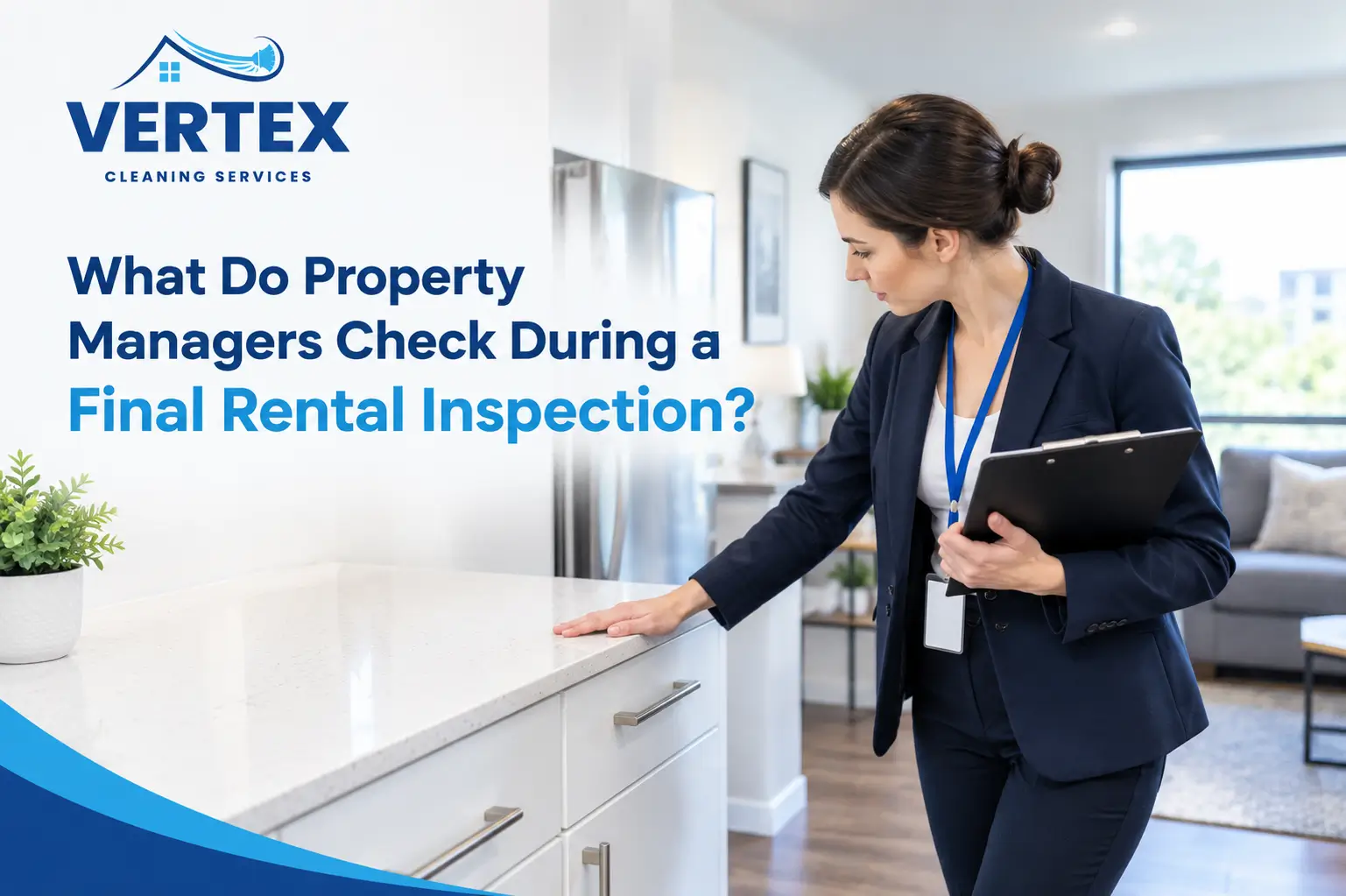
What would you check if you had 30 minutes to inspect your rental before handing back the keys? Most tenants would probably start with the kitchen and bathrooms. But a thorough final rental inspection can involve much more than those obvious areas.
From walls and flooring to appliances, fixtures, cupboards and outdoor spaces, property managers may look for signs that the rental property has been properly maintained. Knowing these inspection points beforehand can help you prioritise your time and avoid overlooking the details that are easiest to miss. For tenants who want to ensure everything meets expectations, hiring a professional Melbourne cleaning service can be a practical step before the inspection.
What Do Property Managers Look for During a Final Rental Inspection?
A final inspection is normally a general look around the property and a check with the records for the time of tenancy. Property managers might consider:
- General Cleanliness and Appearance Damage to walls, floors and fixtures
- State of supplied appliances Doors, locks, handles and fasteners
- Windows, window blinds and drapes
- Keys, remotes and any other supplied items Lease of open spaces
The specific checks will vary based on the property and tenancy agreement, so hold onto your entry condition report – it’s your primary point of reference.
What Can Property Managers Notice That Tenants Often Miss?
Some areas get little attention during everyday cleaning but become obvious when the property is empty and someone's looking closely.
Common ones that catch tenants out:
- Dust along skirting boards and window sills
- Dirt sitting in window tracks
- Marks around switches and door handles
- Residue inside cupboards and drawers
- Grease inside ovens and around rangehoods
- Dust on ceiling fans and light fittings
- Rubbish or belongings left in storage areas
- Dirt behind doors and in corners
These are easy to miss when you're focused on packing and moving. A slow final walk through before you hand back the keys is worth doing.
Does Cleanliness Have to Be Perfect?
Not necessarily. The expected condition generally depends on the tenancy agreement, the property's condition at the start, and what counts as reasonable wear and tear.
Minor carpet wear or gradual fading from normal use is different from excessive dirt, stains, or damage that could have been avoided. Rather than chasing perfection, focus on returning the property in the condition your agreement actually requires.
What Happens When They Find Damage?
Property managers may find issues that have nothing to do with cleaning. These can include:
- Holes or significant marks in walls
- Broken blinds or fittings
- Damaged doors or handles
- Cracked tiles or damaged surfaces
- Significant carpet damage
- Broken fixtures or supplied appliances
- Unauthorised alterations
If you spot damage before the inspection, work out whether it needs to be repaired or reported. Keep records of anything you arrange — dates, receipts, photos.
What Items and Fixtures Are Checked?
Items supplied with the property get checked too, and missing or damaged ones are easy to overlook when you're in the middle of moving.
Make sure you still have:
- House and spare keys
- Garage remotes and access devices
- Light globes
- Blinds and curtain fittings
- Built-in appliances
- Anything else listed in the tenancy agreement
Also worth checking — basic fixtures like taps, handles, doors, and locks are all working as they should be.
What Should You Check Before the Inspection?
A final rental inspection checklist stops you from walking through the same rooms three times trying to remember what you've already done.
Before handing back the keys, go through:
- Every room and storage area
- Inside cupboards and wardrobes
- Floors, walls, and visible fixtures
- Appliances and supplied items
- Rubbish and personal belongings — all of it gone
- Balconies, garages, and other outdoor areas
Once you're satisfied, take photos for your own records. You'll be glad you did if questions come up later.
What Should You Do If You Find a Problem First?
Finding something before the inspection gives you options. Cleaning issues can usually be sorted before handover. Damage or maintenance problems may need to be reported or repaired depending on the situation.
Don't try to fix things you're not qualified to handle just to make a problem less visible. If professional work is needed, get it arranged early — rushing it in the final days before handover rarely ends well.
What Can Make a Final Inspection Easier?
A little planning can make the final inspection much less rushed. Instead of leaving everything until the last day, deal with the jobs that need the most time first. Work through smaller details after the main cleaning is done. Start with areas that are dirty or have marks. If you are short of time, professional help can also take some of the pressure off during the move.
Vertex Cleaning Services can assist with the cleaning work that often takes the most time, from detailed surface cleaning to hard-to-reach areas. This leaves you free to concentrate on packing, getting things out and doing the final checks before handover.
Is Professional Cleaning Worth Doing Before the Inspection?
It can be, particularly when the property needs detailed attention and time is short.
Worth considering when:
- The property is large
- The kitchen has heavy grease build-up
- Bathrooms need intensive work
- Carpets need specialist treatment
- Your moving schedule is already stretched
Professional end of lease cleaning handles the detailed work before the inspection. Vertex Cleaning Services provides cleaning support for tenants preparing for handover, including those looking for a reliable Melbourne cleaning service.